

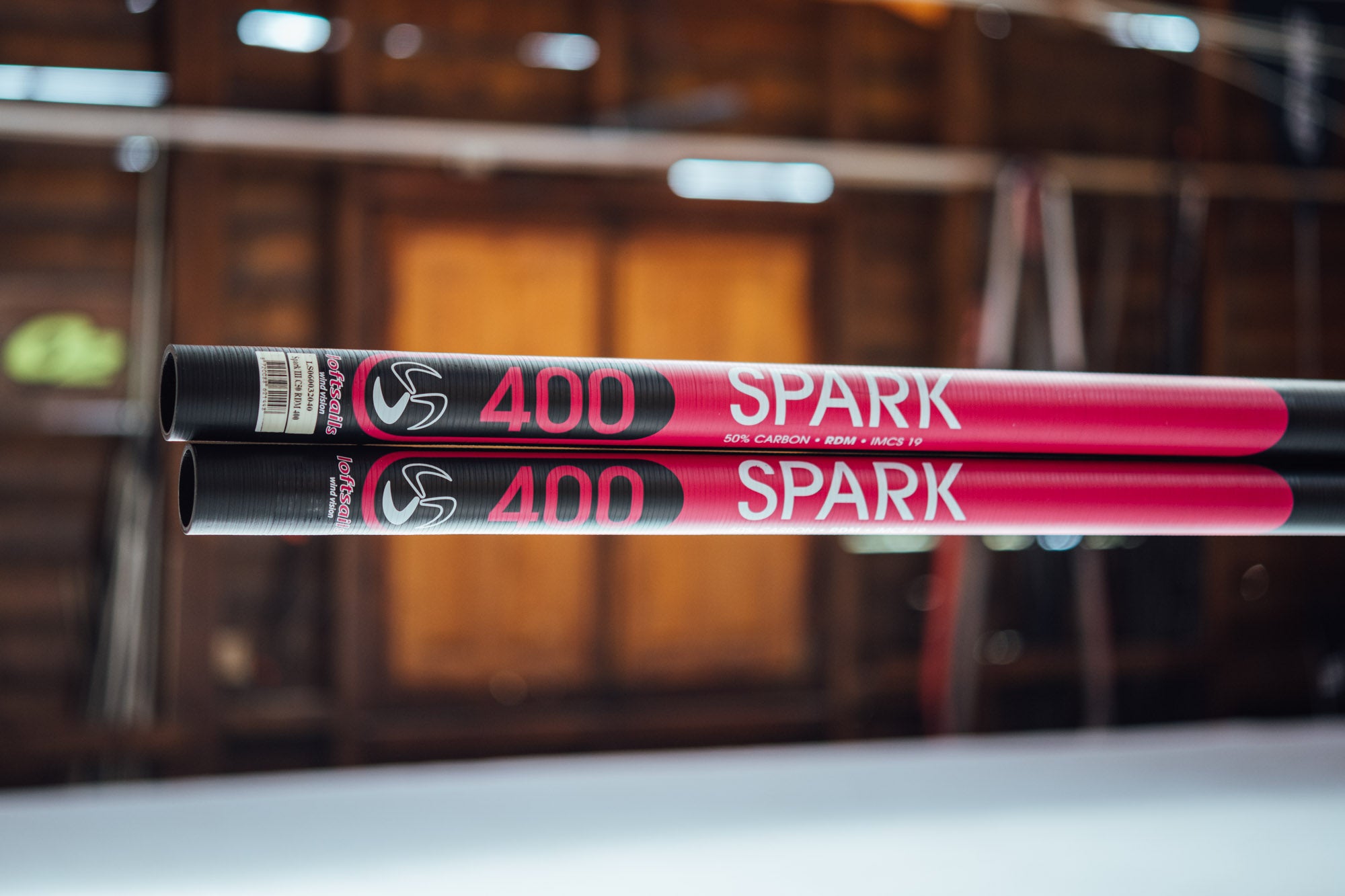
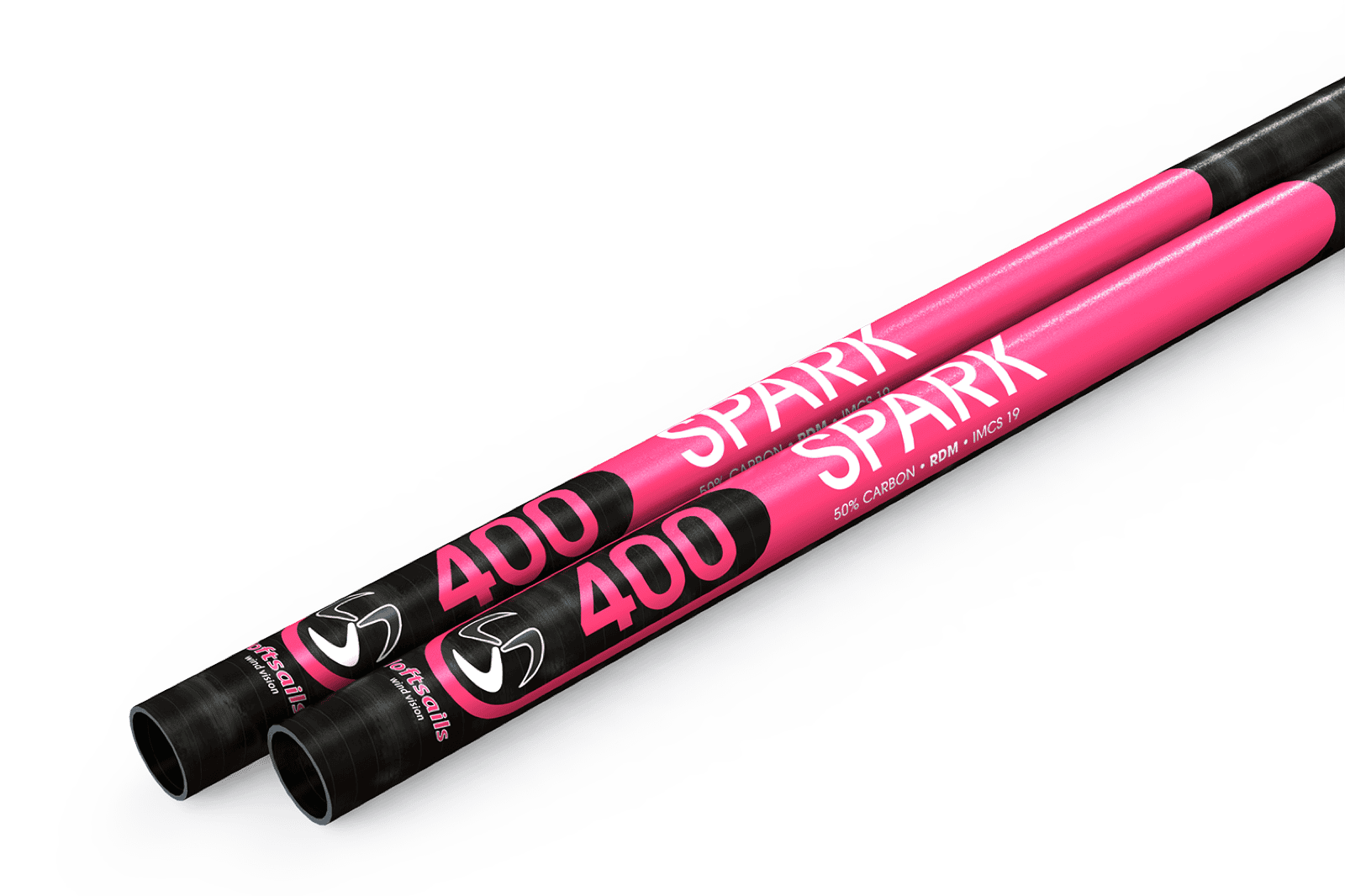
Spark III C50 RDM 400 With Mastbag
Le mât Spark III C50 est un excellent choix pour le blasting freeride général et la progression.
Loftsails utilise des méthodes de construction pre-preg de haute qualité en production, faisant de la Spark III bien plus qu'un simple mât d'entrée de gamme. Avec sa réaction et sa performance supérieures, elle peut rivaliser avec de nombreux modèles de mâts à plus haute teneur en carbone.
La construction solide du mât Spark III procure une tranquillité d'esprit et assure une durabilité pour une utilisation durable.
Spark III C50 RDM 400 With Mastbag
| Size | Operating Weight ( kg) | Carbon Fiber | Base % | Top % | Finishing | Stiffness IMCS |
|---|---|---|---|---|---|---|
| 340 cm | 1.8 | T700 | 64 | 76 | Standard Matte | 14 |
| 370 cm | 2.1 | T700 | 64 | 76 | Standard Matte | 17 |
| 400 cm | 2.25 | T700 | 64 | 76 | Standard Matte | 19 |
| 430 cm | 2.5 | T700 | 64 | 76 | Standard Matte | 21 |
| 460 cm | 2.9 | T700 | 64 | 76 | Standard Matte | 25 |
What are the key differences between RDM and SDM compatibility in Loftsails, especially for cambered sails?
RDM Masts
These have a smaller diameter with thicker walls, resulting in a softer, more elastic, and forgiving feel on the water. They are known for being very durable and resistant to snapping, making them ideal for wave sailing and rough conditions where the mast needs to flex considerably. For cambered sails, RDM masts facilitate easier and smoother rotation of the cams, which is beneficial for maneuvers like tacks and gybes. They are generally recommended for smaller sails, lighter riders, and those who prefer a more forgiving rig. Historically, Loftsails was one of the first brands to achieve World Cup and speed tour wins with RDM-compatible race sails when SDM was the norm for racing.
SDM Masts
These have a larger diameter with thinner walls, providing a crisper, more rigid, and direct feel. They maintain more profile definition in the sail when downhauled and are often preferred by bigger, more aggressive riders using larger sail sizes in flat water conditions, as they can handle more direct body weight pressure. While they might be perceived as less forgiving, they offer a powerful and direct connection to the rig, which some competitive sailors prefer for outright speed.